Cathy McClure
Cathy McClure
Cathy McClure is a Seattle-based, multi-disciplinary visual artist with roots in metalsmithing, earning her BFA from Texas Tech and MFA from the University of Washington. Recipient of the Seattle Art Museum's Betty Bowen Award Grand Prize, she is widely celebrated for her kinetic sculptures and forensic excavations of re-engineered mechanical toys. Her practice addresses themes of consumerism, technology, and nostalgia.
Cathy McClure is a Seattle-based, multi-disciplinary visual artist with roots in metalsmithing, earning her BFA from Texas Tech and MFA from the University of Washington. Recipient of the Seattle Art Museum's Betty Bowen Award Grand Prize, she is widely celebrated for her kinetic sculptures and forensic excavations of re-engineered mechanical toys. Her practice addresses themes of consumerism, technology, and nostalgia.


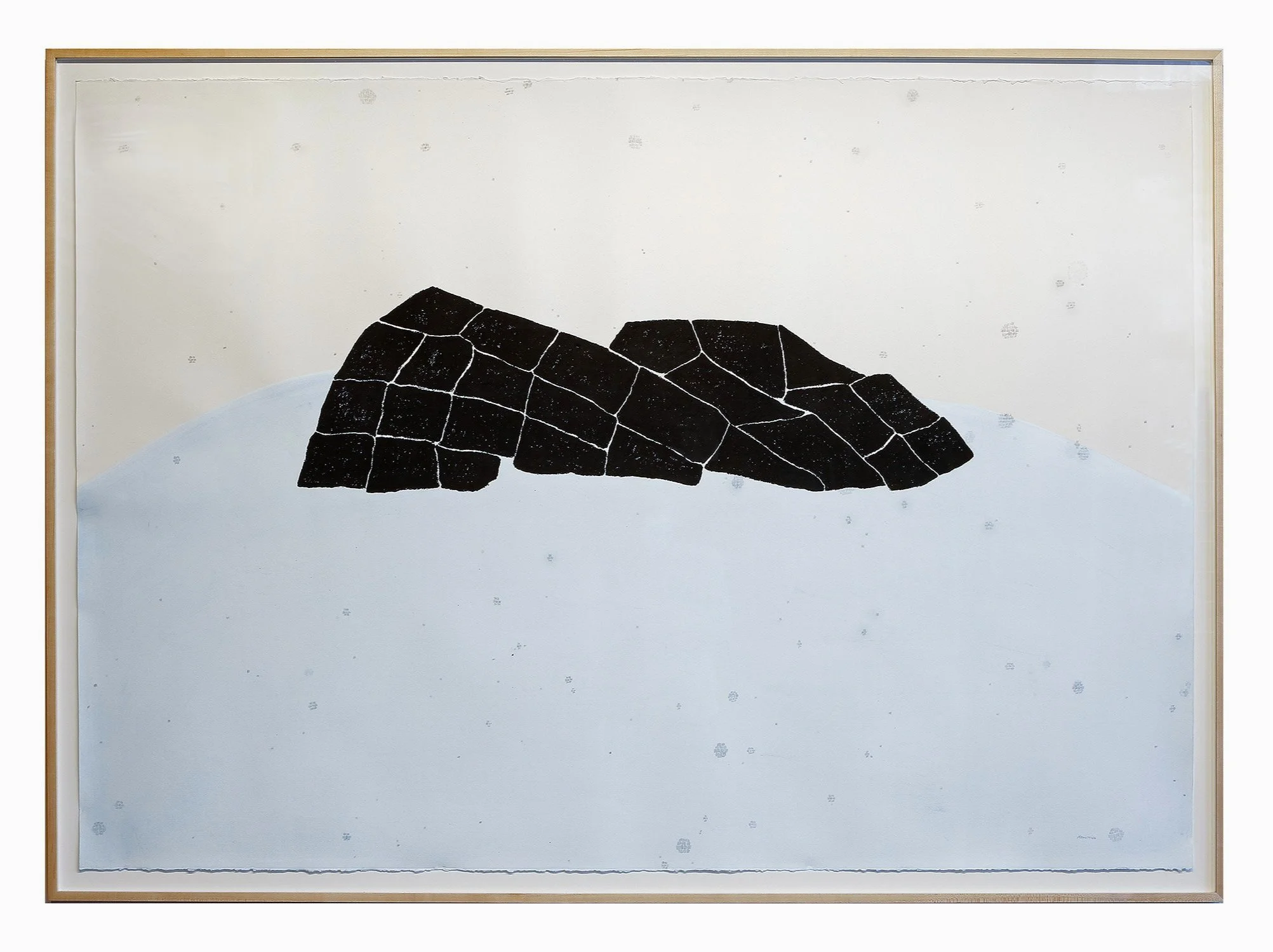
Studio 6 is honored to exhibit select paintings and charcoal drawings by Cathy McClure, presented in partnership with Traver Gallery.
In Strata, McClure’s two-dimensional works operate as vital, psychological floor plans for her broader anti-disciplinary practice. Known for her forensic excavations of re-engineered mechanical toys and kinetic structures, her mixed-media works on paper translate these complex, mechanical bodies into eerie, expressive landscapes of graphite, charcoal, and acrylic.
These drawings and paintings map the ghostly residue of mass production, human nostalgia, and artificial life. Rather than detached studies, they act as uncanny sentinels—charting the internal, somatic geography of forms in transition and reinforcing the exhibition’s overarching meditation on material endurance, structural memory, and the passage of time.